2026-10-13 ·
Top Signs Your Washing Machine Needs Professional Repair
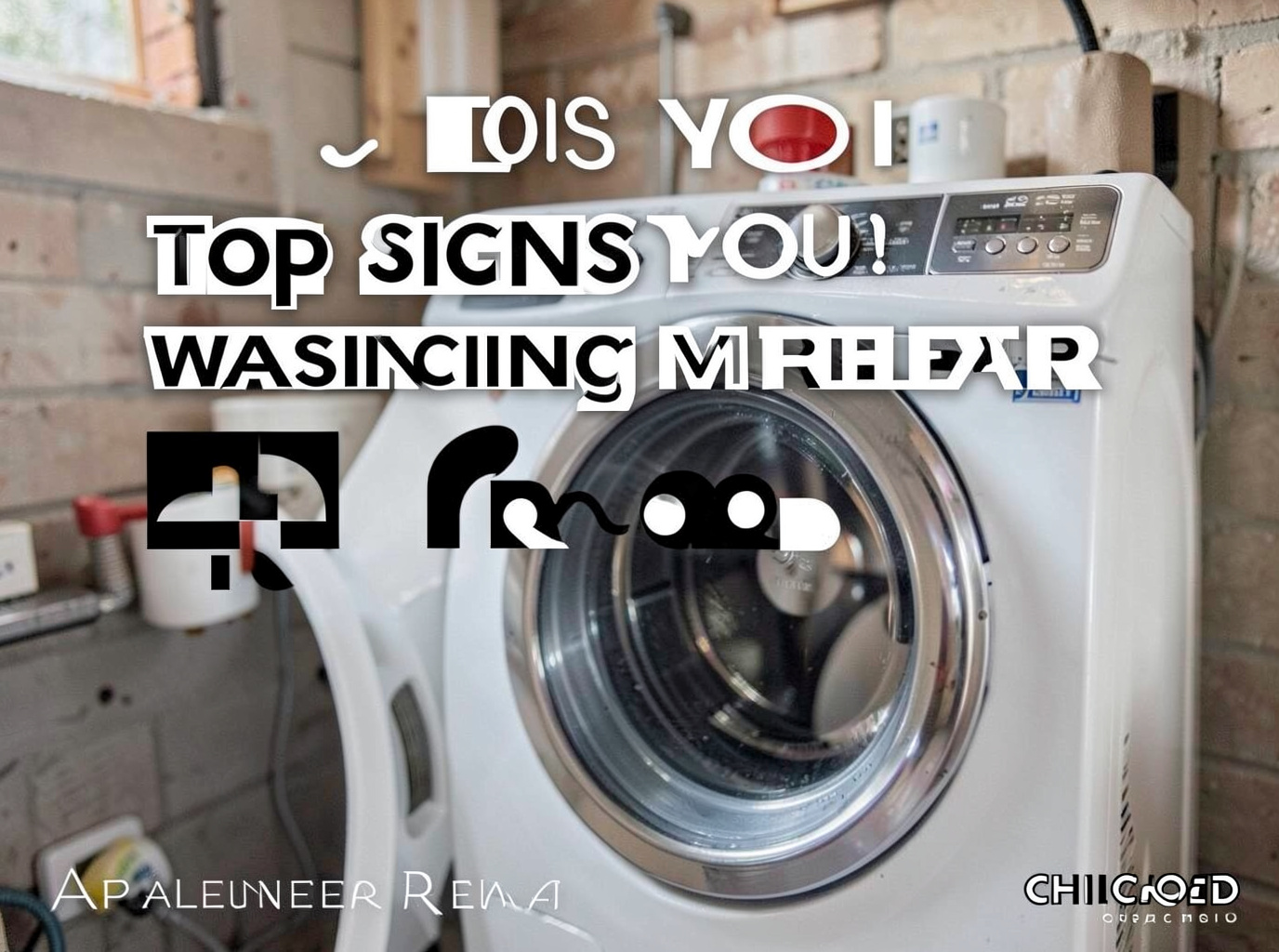
Your washing machine needs professional repair when it leaks water from underneath, drains slowly or not at all, shakes hard enough to walk across the floor during spin, or throws an error code that a power reset does not clear. For a typical Chicago home, a diagnostic visit usually runs about $75–$125, and common fixes such as a drain pump, lid switch, or door latch often land between $150 and $400 once parts and labor are included. If the repair estimate approaches half the price of a comparable new machine, the math starts to favor replacement.
Water Is Pooling Where It Shouldn't Be
Leaks are the most common reason homeowners call for help, and they are rarely as simple as a loose hose. Water that collects under the cabinet usually points to a cracked drain pump housing, a failed door boot seal on front-loaders, or a worn inlet valve that drips even when the machine is off. Many older Chicago buildings, including the greystone walk-ups in Lincoln Park and the vintage courtyard buildings in Logan Square, have laundry closets or basement machines sitting on uneven floors with limited drainage. Over time, a slow leak can soak subfloor framing and cause mold that is expensive to remediate.
If you find a puddle, place a dry towel around the base and run a short cycle with the lid open or the door ajar. Pinpointing the source early keeps a small seal replacement from turning into a floor repair.
The Machine Shakes, Thumps, or Walks Across the Floor
A washer that lurches during spin is often trying to tell you that something has failed in the suspension system. Worn shock absorbers, cracked suspension springs, or a bearing that has started to wear on a top-loader can all create violent movement. Front-loaders are more sensitive to imbalance, and a damaged drum or a broken counterweight can throw the whole cabinet out of level.
A quick self-check helps you decide whether the problem is simple. Confirm that all four feet are locked and the machine sits level, then remove any heavy item that may have shifted during the cycle. If the shaking continues after that, or you hear grinding, growling, or a metallic clunk, stop running the machine. Continuing to run a worn bearing can damage the drum and tub, which turns a moderate repair into a much larger one.
Clothes Come Out Soaked or Still Full of Soap
A washer that finishes a cycle with clothes dripping wet or heavy with detergent residue is no longer doing its basic job. Possible causes include a clogged drain filter, a failing spin motor, a faulty water level sensor that misreads how much water is in the drum, or a blocked dispenser that keeps detergent from rinsing away. Hard water, common across much of the Chicago area, can also leave mineral and soap buildup in inlet screens and the dispenser drawer over time.
The pattern matters. If only one load comes out wet, the problem is usually an unbalanced load. If every cycle fails, the drain pump, sensor, or motor is the likely culprit, and a technician will need to test each component in turn rather than guess.
Error Codes, Silent Failures, and Machines That Won't Start
Modern washers store error codes that point to specific faults, but the codes alone do not tell the whole story. Repeated codes such as those tied to the door lock, water inlet, or control board often mean the machine is detecting a real hardware problem, not a software glitch. A machine that powers on but refuses to start, or that stalls mid-cycle and sits there with water in the drum, usually has a failing lid switch, a stuck door latch, or a control board that has overheated.
Before you call, unplug the machine for five minutes, check that the breaker has not tripped, and confirm the hot and cold water valves are fully open. If the same code returns after a reset, the fault is not going to resolve on its own, and continued attempts can damage the board. Note the code and the cycle where it appeared so the technician can start with the right test.
When Repair Is Not Worth It
Not every failing washer deserves a repair invoice. A general rule of thumb is that a machine older than 8–12 years, or one whose estimated repair exceeds roughly half the cost of a comparable replacement, is usually a better candidate for retirement. Top-loaders typically last longer than front-loaders with complex electronics, but a failed main control board on a newer machine can still cost $300–$500, which is worth weighing against a new unit with a warranty.
Two factors can change that calculation. If the machine is under warranty, or if the fault is a simple part like a pump or hose, repair almost always wins. When the drum, tub, or frame is cracked, or when multiple systems are failing at once, replacement usually costs less over the next few years.